
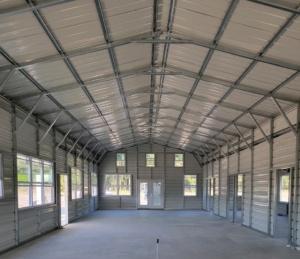
 Insulating a Metal Garage: Reasons, Benefits, and Exceptions
A metal garage is a versatile, cost-effective, and durable solution for storing vehicles, tools, and other equipment. However, when considering whether to insulate a metal garage, there are multiple factors to take into account. Insulation can provide many benefits, but it may not always be necessary depending on the intended use of the garage and the local climate. In this essay, we will discuss the reasons for insulating a metal garage, the benefits it offers, and situations when garage insulation may not be required.
Reasons for Insulating a Metal Garage
1. Temperature control: Insulating a metal garage helps regulate its internal temperature by reducing heat transfer between the interior and exterior. This can be particularly beneficial in extreme climates, where insulation can help maintain a comfortable working environment in the garage and protect its contents from temperature-related damage.
2. Energy efficiency: An insulated garage can reduce energy consumption and associated costs, as it requires less heating or cooling to maintain a comfortable temperature. Insulation can also help minimize the potential for condensation and the associated risk of corrosion, mold, and mildew.
3. Noise reduction: Insulation can help dampen sounds, creating a quieter environment within the garage and reducing noise transfer to and from the surrounding areas. This can be especially useful if the garage is used as a workshop or if it is located close to living spaces.
4. Enhanced functionality: Insulating a metal garage can expand its potential uses beyond basic storage. A well-insulated space can be used as a workshop, home gym, or hobby room, providing additional value to the property.
When Insulation May Not Be Necessary
Despite the numerous benefits of insulating a metal garage, there are certain situations where it may not be necessary:
1. Infrequent usage: If the garage is used only occasionally for short periods, investing in insulation may not provide enough benefits to justify the cost.
2. Mild climate: In regions with mild climates and minimal temperature fluctuations, the need for insulation is less critical. In such cases, the garage can still function effectively without insulation.
3. Non-sensitive storage: If the garage is used primarily for storing items that are not sensitive to temperature or humidity fluctuations, insulation may not be essential.
4. Budget constraints: Insulation can be a investment. For property owners with limited budgets, other improvements or necessities may take priority over insulating the garage.
Insulating a metal garage can offer numerous benefits, including improved temperature control, increased energy efficiency, noise reduction, and enhanced functionality. However, in certain situations, insulation may not be necessary or cost-effective. Property owners should carefully consider their specific needs, usage patterns, and local climate before deciding whether to insulate their metal garage. By weighing the pros and cons, of metal garage insulation, individuals can make an informed decision and optimize their garage space for their particular requirements.