
 A metal garage can be a great addition to your property, providing a secure and weather-resistant storage space for your vehicles and tools. However, depending on your location and intended use, you may need to consider heating and cooling options for your metal garage.
Why You Might Want to Heat or Cool Your Metal Garage
There are several reasons why you might want to heat or cool your metal garage. If you live in an area with extreme temperatures, your vehicles and tools may be at risk of damage from the heat or cold. Extreme temperatures can cause fluids to freeze or boil, damage batteries, and reduce the lifespan of your equipment.
In addition, if you plan to use your metal garage as a workspace, you will need a comfortable environment to work in. Whether you are working on a car, woodworking, or crafting, you may need to regulate the temperature to prevent discomfort and ensure your tools and materials are not affected by extreme temperatures.
Finally, if you plan to use your metal garage as a living space, such as a guest room or home office, you will need to provide heating and cooling options to ensure the space is comfortable and livable.
Heating Options for a Metal Garage
There are several heating options for a metal garage, depending on your budget, location, and intended use.
Electric Space Heater: An electric space heater is a cost-effective and easy-to-install heating option for a metal garage. However, it may not be sufficient for larger garages or extreme temperatures.
Propane Heater: A propane heater is a portable and efficient heating option for a metal garage. However, it requires a propane tank and may not be suitable for indoor use.
Natural Gas Heater: A natural gas heater is a reliable and efficient heating option for a metal garage. However, it requires a natural gas connection and professional installation.
Radiant Floor Heating: Radiant floor heating is a luxurious and efficient heating option for a metal garage. It involves installing pipes or electric heating elements under the floor, providing even and comfortable heat. However, it can be expensive and requires professional installation.
Cooling Options for a Metal Garage
There are several cooling options for a metal garage, depending on your budget, location, and intended use.
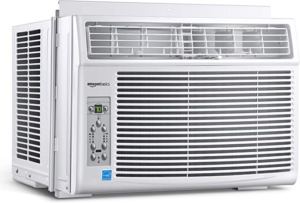
Window Air Conditioner: A window air conditioner (Often called a PTAC Unit) is a cost-effective and easy-to-install cooling option for a metal garage. However, it may not be sufficient for larger garages or extreme temperatures.
Portable Air Conditioner: A portable air conditioner is a portable and efficient cooling option for a metal garage. However, it requires a window or vent for exhaust and may not be suitable for larger garages or extreme temperatures.
Ductless Mini-Split Air Conditioner: A ductless mini-split air conditioner is a reliable and efficient cooling option for a metal garage, even larger garages. It involves installing a small outdoor unit and a wall-mounted indoor unit, providing even and comfortable cooling. However, it can be expensive and requires professional installation.
Reasons to Consider Professional Installation
While some heating and cooling options may seem like easy DIY projects, it’s important to consider the benefits of professional installation.
- Safety: Heating and cooling systems can pose safety risks if not installed properly. Professional installers have the expertise and equipment to ensure your system is installed safely and efficiently.
- Warranty: Many heating and cooling systems come with manufacturer warranties that may be voided if not installed by a professional.
- Efficiency: Professional installation can ensure that your heating and cooling system is running at maximum efficiency, reducing energy waste and lowering your utility bills.
Whether you’re using your metal garage for storage, a workspace, or a living space, heating and cooling options can provide comfort and protection for your vehicles, tools, and materials. Consider your location, budget, and intended use when choosing a heating and cooling system, and don’t hesitate to contact a professional for installation.