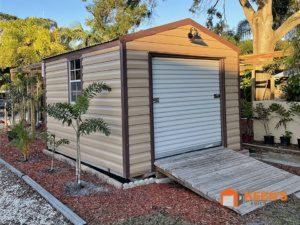
 A storage shed is a practical and functional addition to any backyard, providing much-needed storage and workspace for various purposes. Choosing the right size shed is essential to meet your needs and make the most of your outdoor space. In this article, we’ll discuss various shed sizes, their uses, and how to determine the right size shed for your needs.
Storage Shed Sizes and Their Uses
- Small Sheds (up to 6’x8′): Small sheds are perfect for those with limited yard space or minimal storage requirements. These compact sheds can accommodate gardening tools, lawn equipment, and a few seasonal items. They’re ideal for individuals who want a dedicated space for their gardening or lawn care equipment but don’t need a large shed.
- Medium Sheds (8’x10′ to 10’x12′): Medium-sized sheds offer more storage and workspace than small sheds, making them suitable for homeowners with more extensive gardening equipment or those who require additional storage for items like bicycles, sports gear, or outdoor furniture. This size is also ideal for those interested in creating a small workshop or hobby space.
- Large Sheds (12’x16′ and larger): Large sheds provide ample space for storing more substantial items such as ride-on mowers, ATVs, or motorcycles. They can also be used as workshops, potting sheds, or hobby spaces for activities such as woodworking or painting. A large shed can even be converted into a home gym or outdoor entertainment area.
Determining the Right Storage Shed Size
- Assess Your Storage Needs: Make a list of items you plan to store in your shed. Consider both current and future needs. Will you be adding more equipment or tools in the coming years? Be sure to account for any additional storage requirements that may arise.
- Plan for Growth: When choosing a shed size, it’s wise to plan for growth. You may find that your storage needs increase over time, and having a shed that can accommodate new items will save you from needing to upgrade or purchase additional storage solutions later.
- Consider Functionality: If you plan to use your shed for more than just storage, make sure to factor in the necessary space for your intended activities. For example, if you plan to use your shed as a workshop, you’ll need space for workbenches, tools, and room to move around comfortably.
- Evaluate Your Outdoor Space: Assess the available space in your yard and determine the largest shed size that can comfortably fit. Consider factors such as access, landscaping, and how the shed’s placement will affect the overall aesthetics and functionality of your outdoor space.
- Local Regulations and Restrictions: Check with your local planning department for any size restrictions or building regulations that may apply to your shed. Some areas may require permits for larger sheds or have specific rules regarding shed placement.
- Budget: Shed prices vary depending on size, materials, and features. Determine your budget and choose a shed size that fits within your financial constraints. Keep in mind that larger sheds may also require a more significant investment in foundation preparation, which should be factored into your overall budget.
Selecting the right size shed for your needs is crucial to maximize its usefulness and ensure it fits comfortably within your outdoor space. By evaluating your storage requirements, considering future growth, and factoring in the functionality, space constraints, local regulations, and budget, you can make an informed decision and choose the perfect shed to meet your needs.