
Deciding between prefabricated metal buildings and traditional construction methods can be a difficult decision when building a new structure. You might be curious about the benefits of prefabricated metal buildings versus traditional construction. Consider various factors, such as cost, construction time, durability, and design options.
Construction Time
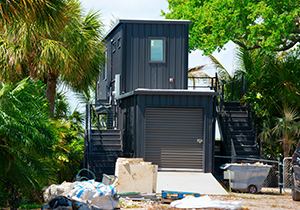
Prefabricated metal buildings offer a time-effective solution for construction projects. Our team designs and crafts components in a factory and ships them to the construction site. The efficient process significantly cuts down construction time, guaranteeing a faster completion of your prefabricated metal building.
Pre-engineered steel frames and components are typically more lightweight so a simple foundation can facilitate it. In traditional construction, contractors build each element of a building on-site from scratch. As a result, the construction process often takes longer when you consider the phases of construction.
Cost
Mass-producing components in a factory brings several advantages, particularly the economies of scale. As a consumer, you receive savings due to lower production costs. Construction projects become more cost-effective when you take into account labor costs because the assembly process is faster. Prefabricated metal building prices tend to be much lower than traditional building construction.
Traditional construction materials tend to come with a higher price tag, which can increase overall expenses. Additionally, the extended construction time can result in additional labor costs. Moreover, delays, material shortages, and other issues may arise, making it more challenging to stick to your budget.
Quality Assurance
A prefabricated metal building has a single supplier who takes complete responsibility for the entire project. This approach not only significantly reduces construction risks but also ensures a smoother process from start to finish. There is no hassle of managing multiple contractors or worrying about coordination issues. You can ensure your steel building has a high quality from the component design to assembly.
Durability and Maintenance
Aluminum and steel is the go-to material for prefabricated metal buildings due to its exceptional durability. Unlike wood, it doesn’t warp, rot, or expand, making it a reliable choice. Additionally, steel is highly resistant to pests and can withstand harsh weather conditions better than most other materials.
These buildings have excellent resistance against seismic actions as they have lightweight and flexible members. This superior resilience greatly extends the lifespan of the building.
Environmental Impact
Prefabricated steel structures have a lower environmental impact during production. Traditional construction methods typically involve materials like wood and brick, which have a higher environmental impact due to their production processes.
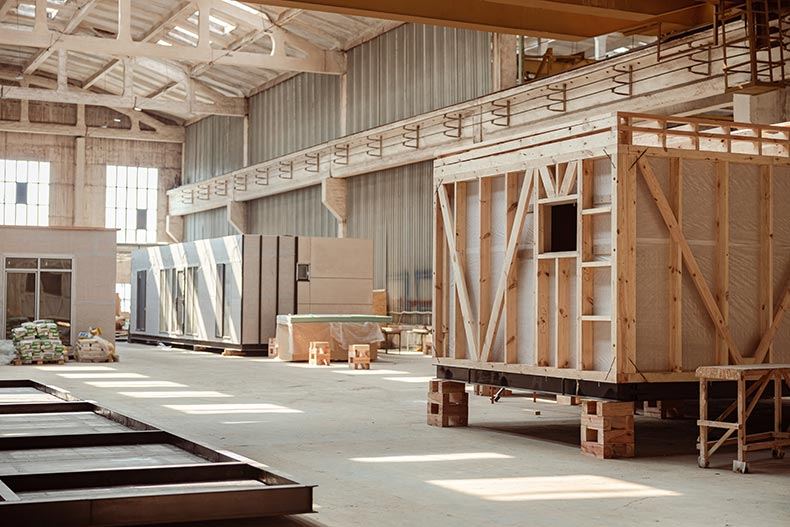
Prefabricated steel structures are a more efficient choice for construction because they don’t generate as much waste. Pre-engineered building materials come ready to assemble, removing the need for on-site cutting and fitting.
Design Limitations
While you can customize prefabricated metal buildings details, they may not provide the same level of design freedom as traditional construction. You may have limitations of styles, finishes, and configurations.
When it comes to traditional construction, you have complete creative freedom. Architects can design your building from scratch, allowing for intricate architecture styles or straightforward, practical designs. Unlike prefabricated components, no limitations are holding you back.
Some locales have specific design requirements or strict planning rules, so opting for traditional construction would be more suitable. This allows you to choose materials and designs that seamlessly integrate with the surrounding environment. You may not be able to do this with prefab buildings.
Efficiency
Pre-engineered metal buildings are more energy efficient than some traditional buildings. Metal buildings excel at conducting sound, which can result in unwanted noise problems if there isn’t proper insulation. Living or working in such a space may not be ideal for those seeking a calm and quiet environment.
As traditional construction materials, wood and brick possess excellent natural sound insulation attributes. This results in traditional buildings being quieter compared to their metal counterparts. This aspect becomes crucial for residential and commercial prefabricated metal buildings where noise disruption can be a problem.
Future Expansions
When you have a residential or commercial prefabricated metal building, you might want to expand your structure in the future. You can initially choose a size that fits your current requirements. You always have the flexibility of adding extra sections as your needs evolve. By doing so, you can avoid the high expenses and complicated processes that typically come with traditional construction methods.
Choose the Best Prefabricated Metal Building System
Prefabricated metal buildings can be more budget friendly, time-saving, durable and flexible than other options. Our team can provide guidance tailored on the best prefabricated building options for your project.