
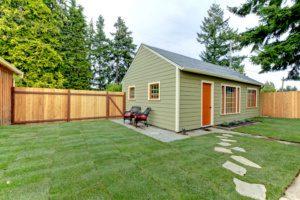
 When it comes to optimizing energy efficiency, we often think about our homes. However, sheds, whether used for storage, as a workshop, or as an extra living space, can also benefit from energy-saving practices. By implementing a few simple adjustments, you can transform your shed into an energy-efficient oasis. In this article, we will explore practical tips to make your shed more energy efficient, reducing your carbon footprint and saving on utility bills.
- Insulation Matters: Proper insulation is essential for maintaining a comfortable temperature inside your shed. Insulate the walls, roof, and floor with materials like fiberglass, foam boards, or spray foam. Insulation helps regulate the temperature, preventing heat loss in winter and heat gain in summer.
- Seal Air Leaks: Air leaks can significantly impact energy efficiency. Check for gaps around windows, doors, and electrical outlets. Seal them with weatherstripping, caulking, or expanding foam. This will prevent drafts and ensure that conditioned air remains inside the shed.
- Energy-Efficient Lighting: Replace traditional incandescent bulbs with energy-efficient LED or CFL lighting. These bulbs use significantly less electricity and last much longer. Consider installing motion sensor lights to avoid leaving lights on when not in use.
- Consider Natural Lighting: Maximize the use of natural light by incorporating windows or skylights into your shed’s design. This will reduce the need for artificial lighting during the day and create a pleasant and inviting atmosphere.
- Optimize Ventilation: Proper ventilation helps regulate temperature and humidity levels in your shed. Install vents or windows strategically to promote natural airflow. Consider using solar-powered ventilation fans to enhance air circulation while minimizing energy consumption.
- Energy-Efficient Appliances: If your shed houses appliances such as a refrigerator or air conditioner, opt for energy-efficient models. Look for appliances with ENERGY STAR ratings, which are designed to consume less energy while maintaining optimal performance.
- Solar Power: Sheds are typically smaller, and can easily get away with using less electricity. Harness the power of the sun by installing solar panels on your shed’s roof. Solar energy can be used to power lights, appliances, or even provide electricity for off-grid sheds. Solar power is not only eco-friendly but can also help reduce your reliance on the main power grid.
- Smart Power Management: Use power strips with built-in timers or smart power outlets to control the usage of electrical devices. This way, you can schedule when certain appliances or equipment turn on and off, minimizing energy waste.
- Proper Maintenance: Regularly maintain your shed by checking for and repairing any leaks, cracks, or damaged insulation. Proper upkeep ensures that your shed remains energy efficient over time.
- Landscaping for Energy Efficiency: Strategic landscaping can help regulate temperatures around your shed. Plant trees or shrubs to provide shade in the summer and act as a windbreak during winter, reducing the need for excessive cooling or heating.
With a few simple adjustments and thoughtful choices, you can transform your shed into an energy-efficient space. By implementing insulation, sealing air leaks, using energy-efficient lighting, and considering renewable energy sources like solar power, you can reduce your environmental impact and save on energy bills. With a focus on sustainability, your shed can become an eco-friendly haven that is both comfortable and energy-efficient.