
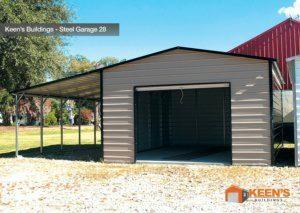
 Determining the right size for an enclosed garage requires careful consideration of various factors. It is crucial to consider all these factors when building an enclosed garage to ensure that the space is functional, cost-effective, and adds value to your property. A well-planned garage that accommodates your current and future needs can provide convenience and improve your quality of life. Moreover, being attentive to factors like local building codes and property layout ensures that your garage complies with regulations and integrates harmoniously with its surroundings. Additionally, considering budget constraints while balancing requirements will help avoid overspending or building a garage that falls short in functionality. Since a garage is a significant investment and often a long-term addition to your property, comprehensive planning is essential to make certain that it not only serves its intended purpose efficiently but also contributes positively to the overall aesthetics and value of your property.
Here’s a quick guide to help you decide:
- Purpose: Define the primary purpose of the garage. Is it for parking vehicles, storage, a workshop, or a combination of these? Understanding the primary use will help you estimate the space needed.
- Vehicle Size and Quantity: If the garage is for parking vehicles, take into account the size and number of vehicles you own. Consider the width, length, and height of your vehicles, and make sure there is enough space to open doors and move around them comfortably. Typically, a single car garage should be at least 12 feet wide, while a two-car garage should be at least 20-24 feet wide.
- Storage and Workspace: If you will be using the garage for storage or as a workspace, take inventory of the items you plan to store or the equipment you will use. Consider shelving, cabinets, workbenches, and ensure that there is ample space for these as well as a safe workspace.
- Future Needs: Think about your future needs. Are you likely to purchase an additional vehicle, acquire more tools or equipment, or use the space for other purposes down the line? Building a slightly larger garage initially can be more cost-effective than needing to expand later.
- Building Codes and Restrictions: Check local building codes and neighborhood restrictions. There may be limitations on the size of structures you can build on your property.
- Budget: Your budget will play a significant role in determining the size of your garage. Larger garages will be more expensive not just in terms of construction but also in heating, cooling, and maintenance. Balance your needs with your budget constraints.
- Property Size and Layout: Consider the size and layout of your property. The garage should be proportionate to the size of the property and leave enough space for a yard, garden, or other outdoor areas if desired. Also, take into consideration how the garage will affect the aesthetics and curb appeal of your property.
- Accessibility and Maneuverability: Think about the accessibility of the garage in relation to your house and the street. Make sure there is enough space for vehicles to enter and exit easily, and for you to maneuver them within the garage.
- Consult a Professional: It’s advisable to consult a contractor, architect, or builder experienced in garage construction. They can offer valuable insights on size, materials, and design options that will meet your needs and comply with local regulations.
Remember that while size is an important factor, the functionality and layout of the interior space are equally crucial. Make sure your enclosed garage is designed efficiently to make the most of the space available.